
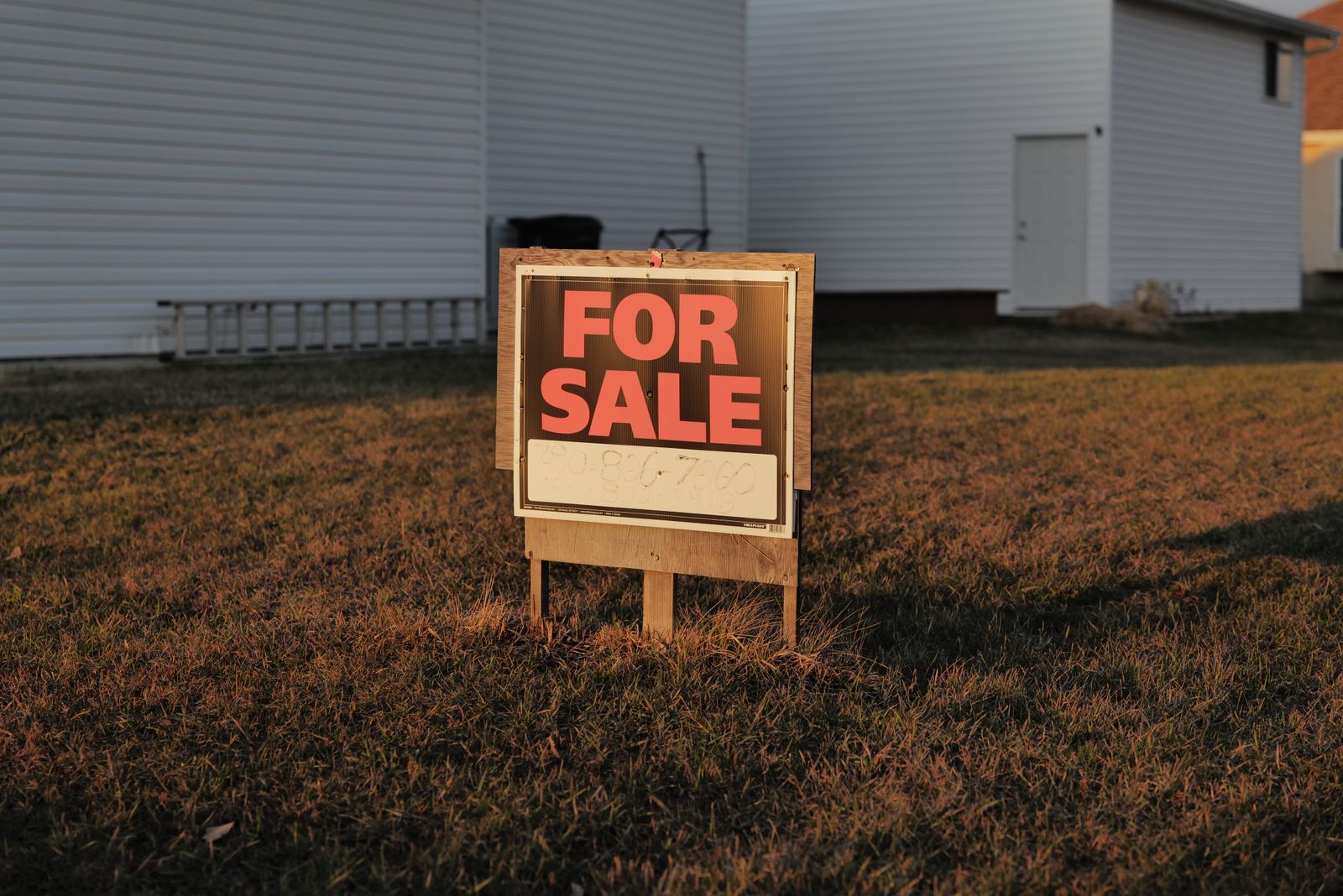
Why Homes Don't Sell: The Most Common Reasons a House Sits on the Market
Putting your house on the market and waiting for offers can be frustrating.
Maybe you've had plenty of showings but no offers. Maybe you're barely getting showings at all. Maybe you've already accepted an offer, only for the buyer to back out before closing.
Or maybe your house has been sitting on the market so long that you're starting to wonder:
“What's wrong with my house?”
Sometimes there is a problem with the property. But often, the house itself isn't the real problem.
A home may struggle to sell because of its price, condition, presentation, marketing, accessibility, location, financing limitations, inspection issues, appraisal problems, market conditions - or a combination of several factors.
Understanding why buyers aren't moving forward is the first step toward figuring out what to do next.
Why Homes Don't Sell - At a Glance
| Common Reason | What May Be Happening |
|---|---|
| Priced Too High | Buyers don't believe the home is worth the asking price |
| Poor Condition | Repairs or deferred maintenance are scaring buyers away |
| Dated Interior | Buyers see a large renovation project after purchasing |
| Poor Presentation | Clutter, cleanliness, odors or appearance hurt the first impression |
| Weak Listing Photos | Buyers eliminate the property before ever scheduling a showing |
| Poor Marketing | The property isn't reaching or appealing to the right buyers |
| Difficult Showings | Buyers can't easily get inside to see the house |
| Bad First Impression | Curb appeal or the entry immediately turns buyers off |
| Too Much Competition | Buyers have better alternatives at a similar price |
| Unique Property | The home appeals to a smaller pool of buyers |
| Location Challenges | Road noise, traffic, neighborhood or surroundings affect demand |
| Major Repairs | Roof, HVAC, plumbing, electrical or structural issues concern buyers |
| Inspection Problems | Problems discovered after contract cause renegotiation or cancellation |
| Appraisal Problems | The property doesn't appraise at the agreed purchase price |
| Financing Problems | The property or buyer may not qualify for the expected financing |
| Buyer Financing Falls Apart | The buyer loses or cannot complete their loan |
| Title Problems | Liens, ownership issues or other title matters delay the sale |
| Tenant Issues | Occupancy or access makes the property harder to show or deliver |
| HOA Issues | Costs, restrictions, litigation or other concerns affect buyers |
| Seller Terms | Closing date, possession or other requirements narrow the buyer pool |
| Market Conditions | Supply, demand, rates and buyer confidence affect activity |
| Stale Listing | Buyers begin wondering why the house hasn't sold |
| Wrong Buyer Audience | The property is being marketed to buyers who aren't the best fit |
| Deal Falls Apart | A house can attract a buyer and still fail to reach closing |
Not every unsold house has one obvious problem. Sometimes several smaller issues combine to make buyers choose another property.
Start With the Most Important Question: Are You Getting Showings?
Before changing everything about your listing, determine where buyers are dropping out of the process.
There is a major difference between no showings and lots of showings but no offers.
If You're Getting Very Few Showings
Buyers are rejecting the property before they even walk through the door.
- Price
- Photos
- Online presentation
- Location
- Property type
- Marketing
- Competition
- Obvious condition issues
- Restrictions on showing the property
If You're Getting Showings but No Offers
Buyers were interested enough to visit but something changed once they saw the property.
- Condition
- Layout
- Odors
- Repairs
- Dated finishes
- Poor presentation
- Neighborhood or surroundings
- Price compared with what they saw in person
- Better competing homes
If You're Getting Offers but Nothing Is Closing
Now the problem may be happening after the buyer commits.
- Inspection
- Appraisal
- Financing
- Title
- Insurance
- Seller and buyer negotiations
- Property condition
- Buyer circumstances
Knowing where the sale is breaking down can tell you much more than simply knowing the number of days the house has been listed.
1. The House Is Priced Too High
Price is one of the most common reasons a house struggles to sell. Homeowners naturally want to get as much as possible for their property. That's understandable.
But buyers don't determine value based on what you originally paid, how much money you've invested, how much you need from the sale, what your neighbor is asking, what an online estimate says, or what you hope the property will be worth.
Buyers compare your house with the other homes available to them. If similar homes offer more value for the same money, buyers may choose those instead.
The Market Doesn't Care What You Need to Net
Suppose you owe money on the house, need money for your next home, and want enough left over to cover moving expenses. Those are important considerations for you.
But they don't necessarily increase what a buyer is willing to pay. Market value and the seller's financial needs are two different things.
2. Pricing High “Just to See What Happens”
A common strategy is: “Let's list it high. We can always come down later.” Sometimes that works, but it can also create problems.
Your strongest period of buyer attention may occur when the property first hits the market. If buyers immediately believe the house is overpriced, they may skip it.
Then several weeks later, you reduce the price. But now the listing isn't new anymore. Buyers may start asking: “Why hasn't this house sold?”
You can always reduce the price. You can't recreate the exact first impression the listing had when it initially entered the market.
3. The House Is Dated
A house doesn't need to be falling apart to turn buyers away. It can be perfectly functional and simply look old.
Buyers may react negatively to older cabinets, dated countertops, old flooring, older bathrooms, popcorn ceilings, older fixtures, dated paint colors, older appliances, older windows, or outdated finishes.
There may be absolutely nothing wrong with these items mechanically. The problem is what buyers believe it will cost to change them.
Buyers Often Overestimate Renovation Costs
A buyer may walk into a dated kitchen and immediately think: “This is going to cost me $50,000.” Maybe it would. Maybe it wouldn't.
But buyer perception matters. The more projects buyers mentally add to their list, the less they may be willing to pay for the property.
4. The House Needs Too Many Repairs
A few minor repairs usually aren't the end of the world. But once buyers begin seeing problems everywhere, their perception of the house can change.
They may notice damaged flooring, leaking faucets, broken doors, drywall damage, peeling paint, broken appliances, pool problems, roof issues, HVAC problems, plumbing problems, electrical issues, or water damage.
Then buyers start wondering: “What else is wrong that I can't see?” Visible deferred maintenance can make buyers more suspicious about invisible maintenance.
5. Major Systems Are Near the End of Their Life
Buyers often care about more than appearance. They may want to know the age and condition of the roof, HVAC system, water heater, plumbing, electrical system, pool equipment, appliances, and windows.
A beautiful kitchen doesn't necessarily make a buyer forget that the roof may need replacing soon. Large upcoming expenses can affect both the offer price and the buyer's willingness to purchase the house.
6. The House Doesn't Show Well
You live differently in a house than you sell one. A comfortable lived-in home isn't always a home that photographs or shows well.
Potential issues include too much furniture, clutter, dark rooms, personal belongings everywhere, dirty surfaces, overflowing closets, crowded garages, unmade beds, pet hair, and excessive decorations.
The goal isn't to make the house look like nobody has ever lived there. It's to make it easy for buyers to imagine themselves living there.
7. Odors Are Turning Buyers Away
Sellers can become accustomed to smells in their own homes. Buyers haven't.
Common problems include cigarette smoke, pet odors, cat litter, cooking odors, mildew, moisture, sewer smells, garbage, or strong fragrances attempting to cover another odor.
Smell creates an immediate emotional response. A buyer may walk into an otherwise great property and mentally reject it within seconds.
8. The Listing Photos Aren't Good Enough
Today, the first showing usually happens online. Buyers may look through dozens of properties on their phone before deciding which ones deserve an in-person visit.
Poor photos can make a good property look bad. Common mistakes include dark photographs, bad angles, blurry images, messy rooms, cars blocking the exterior, too few photos, missing backyard or feature photos, and photos that don't match the actual property.
If buyers aren't clicking on the listing, they may never discover that the house is actually much better in person.
9. The First Photo Isn't Strong Enough
Not every listing photo has equal importance. The first image is often the image buyers see while scrolling through listings.
Think of it like the thumbnail for the entire property. If that image doesn't make someone stop scrolling, the rest of the photographs may never get viewed.
10. The Description Doesn't Sell the Property
Photos do much of the work, but the listing description still matters. A weak description may simply repeat the bedroom, bathroom, and square-footage information buyers can already see.
A stronger listing helps explain why the property is worth seeing, including renovations, a large backyard, pool, RV parking, views, oversized garage, new roof, updated HVAC, additional living space, location benefits, or unique features.
11. Buyers Can't Easily See the House
Every obstacle you put between the buyer and the showing reduces the number of potential buyers who may see the property.
Examples include very limited showing hours, long notice requirements, no weekend showings, tenant restrictions, difficult lockbox access, constant rescheduling, or seller approval required for every appointment.
If one house is difficult to see and another comparable house is available immediately, some buyers will simply see the easier property.
12. The Property Has Poor Curb Appeal
Buyers start judging the property before they open the front door.
Potential exterior problems include overgrown landscaping, weeds, dead grass, peeling paint, trash, broken fencing, a dirty driveway, damaged garage door, neglected pool, clutter, or poor exterior lighting.
You don't necessarily need expensive landscaping. Sometimes basic cleanup creates the biggest improvement.
13. There Is Too Much Competition
Your house doesn't exist in a vacuum. Buyers are comparing it with other properties.
If several nearby homes at a similar price have newer kitchens, updated flooring, fresh paint, better landscaping, or newer roofs, your property may be perfectly fine and buyers may still choose one of the alternatives.
The question becomes: Why should a buyer choose your house instead of the others?
14. New Construction Is Competing With You
Sometimes your competition isn't another homeowner. It's a builder.
New-home builders may offer brand-new construction, builder warranties, closing-cost incentives, interest-rate incentives, upgrade packages, new appliances, and modern layouts.
A resale property competing against nearby new construction needs to account for those incentives when evaluating price and positioning.
15. The Property Has a Unique Layout
Some homes naturally appeal to fewer buyers. Examples might include converted garages, unusual additions, very small bedrooms, bedroom access through another room, awkward floor plans, few bathrooms, unusual room conversions, or extremely customized interiors.
That doesn't mean the house can't sell. It means the buyer pool may be smaller, which can require more time, different marketing, or a price that reflects the property's uniqueness.
16. The House Is Too Personalized
Customization can be valuable to the person who wanted it. That doesn't mean the next buyer values it equally.
Examples include highly unusual paint colors, themed rooms, major custom-built features, unusual flooring, specialized landscaping, converted bedrooms, hobby rooms, or large built-in structures.
A homeowner might have spent a lot creating something they love. A buyer may view the same improvement as something they'll need to remove.
17. Location Is Working Against the Property
Some things cannot be renovated. Location can affect buyer demand.
Examples include properties near busy roads, highways, commercial buildings, industrial areas, airports, railroad tracks, power infrastructure, schools with heavy traffic, apartment complexes, or other high-traffic areas.
This doesn't make the property unsellable. But the price may need to reflect factors buyers can't change after purchasing.
18. Noise Is an Issue
Noise deserves separate attention because sellers sometimes stop noticing it.
A buyer visiting for the first time may immediately notice highway noise, airplanes, barking dogs, traffic, nearby businesses, construction, or trains.
If noise is a permanent characteristic of the location, pricing becomes especially important.
19. The Property Has Unpermitted Additions or Conversions
Properties sometimes contain modifications that were completed without the required permits or approvals, such as garage conversions, room additions, patio enclosures, electrical work, plumbing modifications, additional bathrooms, or accessory structures.
These issues can create questions involving value, safety, appraisal, financing, insurance, and buyer confidence. The exact implications depend on the property and local requirements.
20. The House Has Inspection Problems
A property can successfully attract a buyer and still fail to sell. The buyer gets under contract, then the inspection happens.
If the inspector discovers problems, the buyer may request repairs, request a credit, renegotiate the price, become nervous, or cancel if permitted under the contract.
21. The House Doesn't Appraise
A buyer may love the property and agree to your price. Their lender may see things differently.
If the appraisal comes in below the contract price, possible outcomes include the seller lowering the price, the buyer bringing additional cash, both sides compromising, challenging the appraisal, another contractual solution, or the transaction terminating.
A property can therefore receive an offer and still fail to close because the financing doesn't support the agreed price.
22. The Buyer Can't Get Financing
Sometimes there is nothing wrong with your house. The buyer is the problem.
A buyer can experience employment changes, new debt, credit problems, insufficient funds, loan denial, documentation issues, or changes in financial circumstances.
Even a pre-approved buyer isn't necessarily guaranteed final loan approval. This is one reason the strength of an offer involves more than the purchase price.
23. The Property Doesn't Qualify for Certain Financing
Sometimes the buyer qualifies. The property doesn't.
Depending on the circumstances, safety issues, major damage, utilities, roof condition, structural concerns, incomplete construction, property type, or appraisal requirements can create issues for some loan programs or lenders.
That can reduce the number of financed buyers able or willing to purchase the property unless the issue is corrected.
24. Insurance Is Difficult or Expensive
Homeowners insurance can also affect a transaction. A buyer may discover that the property is expensive to insure, certain conditions need to be repaired, previous claims affect underwriting, the property's location affects coverage, or their insurer won't provide the expected policy.
Because lenders generally require appropriate insurance on financed properties, insurance problems can become financing problems too.
25. There Are Title Problems
A buyer can't simply receive the keys if ownership or title issues haven't been properly resolved.
Potential problems may include liens, judgments, unreleased mortgages, ownership disputes, probate issues, missing heirs, divorce-related ownership questions, contractor liens, tax liens, or recording errors.
Some title issues are relatively simple. Others can take considerable time to resolve.
26. The House Has Tenants
Selling a tenant-occupied property creates additional considerations, including showing access, lease terms, tenant cooperation, property condition, notice requirements, and buyer occupancy plans.
An investor may like having an existing tenant. An owner-occupant may view the same tenant as an obstacle. The right strategy depends heavily on the lease and the type of buyer you're targeting.
27. HOA Issues Are Affecting Buyers
The house itself may be great. The HOA may still affect the sale.
Buyers may consider monthly dues, special assessments, community restrictions, rental restrictions, financial condition, pending litigation, transfer requirements, and approval processes.
These issues can affect affordability, financing, or buyer interest.
28. The Seller's Terms Are Too Restrictive
Price isn't the only term in a real estate transaction. A seller might require a specific closing date, an unusually long or short closing, post-closing occupancy, certain items to remain or be removed, or other specific conditions.
There is nothing inherently wrong with needing particular terms. But every additional requirement may reduce the number of buyers who can accommodate the sale.
29. The Market Changed
Sometimes a property isn't selling because the overall market has changed.
Real estate markets are affected by mortgage rates, housing inventory, buyer demand, employment, affordability, seasonality, consumer confidence, and local economic conditions.
A price that made sense several months ago may not necessarily produce the same response today. Sellers should pay attention to what buyers are doing now, not only what neighboring houses sold for in the past.
30. The Listing Has Gone Stale
The longer a property sits on the market, the more buyers may begin asking: “Why hasn't anyone bought this?”
A listing that has been available for a long time may cause buyers to assume it's overpriced, something is wrong, the seller may be desperate, previous buyers discovered a problem, or there is room for a significant discount.
This is why the early pricing and presentation strategy matters.
31. Too Many Small Problems Are Adding Up
Sometimes there isn't one major reason. Maybe the house is a little overpriced, a little dated, the photos are average, the landscaping needs work, the showing schedule is restrictive, and the HVAC is old.
None of those alone necessarily kills the sale. Together, however, they may make the house less attractive than competing properties.
The buyer doesn't need to hate your house. They only need to like another house more.
32. The Seller Is Focusing on Feedback Instead of Behavior
Showing feedback can be helpful. But buyer behavior is even more important.
Look at the number of online views, showings, repeat showings, offers, offer amounts, days on market, competing listings, competing homes going under contract, price reductions, inspection outcomes, and buyer objections.
Patterns matter more than one person's opinion.
Diagnose the Problem Before You Fix It
If your house isn't selling, don't immediately spend $25,000 renovating it. First identify where the problem appears to be happening.
Problem: Very Few Showings
Problem: Lots of Showings but No Offers
Problem: Offers Are Much Lower Than Expected
Problem: Buyers Keep Cancelling After Inspection
Problem: Deals Keep Failing at Appraisal
Problem: Deals Keep Failing Before Closing
The solution should match the actual problem.
Your Main Options When a House Isn't Selling
Adjust the Price
If buyers consistently believe the property doesn't offer enough value at its current price, a price adjustment may increase interest.
Improve the Presentation
That could involve cleaning, decluttering, better photographs, landscaping, paint, lighting, or staging.
Make Repairs
If specific problems are repeatedly stopping buyers, repairing those issues may expand the buyer pool.
Improve the Marketing
Sometimes the house needs better photographs, positioning, description, exposure, or a different marketing strategy.
Change the Terms
More flexibility around showings, closing, possession, concessions, or other terms may make the property easier to purchase.
Take the Property Off the Market Temporarily
Depending on your situation, you may decide that now simply isn't the right time to sell.
Sell the Property As-Is
Another option is selling without completing the repairs, renovations, staging, or preparation normally associated with listing a house for retail buyers. That can mean accepting a different price in exchange for avoiding some of the work, time, and uncertainty involved in preparing the property for the traditional market.
Neither approach is automatically better. The right decision depends on what matters most to you.
Should You Keep Fixing the House or Sell It As-Is?
This is ultimately a math problem.
Suppose you believe spending $25,000 on repairs could increase your sale price by $40,000. That might make sense. But don't stop the calculation there.
- REPAIR COSTS
- ADDITIONAL HOLDING COSTS
- SELLING EXPENSES ON THE ADDITIONAL PRICE
- TIME AND WORK REQUIRED
= POTENTIAL ADDITIONAL BENEFIT
Then compare that with the alternative. If spending $25,000 and waiting another three months only improves your eventual net by a relatively small amount, you may decide the project isn't worth it. If the improvement meaningfully increases what you'll walk away with, completing the work may make perfect sense.
A House That Doesn't Sell Isn't Necessarily a Bad House
A house can be well maintained, structurally sound, in a good neighborhood, and completely livable - and still struggle to sell.
Maybe it's priced incorrectly. Maybe buyers prefer newer finishes. Maybe there is unusually strong competition. Maybe the layout appeals to fewer people. Maybe market conditions changed. Maybe the right buyer simply hasn't come along yet.
The market is giving you information. The goal is to figure out what that information is telling you.
Ask the Right Question
Instead of asking: “Why doesn't anyone want my house?”
Ask: “What is preventing buyers from moving forward?”
- Price?
- Condition?
- Presentation?
- Competition?
- Location?
- Marketing?
- Access?
- Inspection?
- Appraisal?
- Financing?
- Terms?
- Timing?
Once you identify the real obstacle, your options become much clearer.
Not Sure What to Do With a House That Isn't Selling?
If your property has been sitting on the market, your listing expired, a buyer backed out, or you're simply tired of preparing the house for traditional buyers, you still have options.
You can make repairs. You can improve the presentation. You can adjust the price. You can relist. You can wait. Or you can explore selling the property as-is.
Liberty Home Buyers works with homeowners in all kinds of property conditions and situations.
Tell us about the house, what's happened so far, and what you're trying to accomplish.
We'll take a look at the situation and see how we can help.